


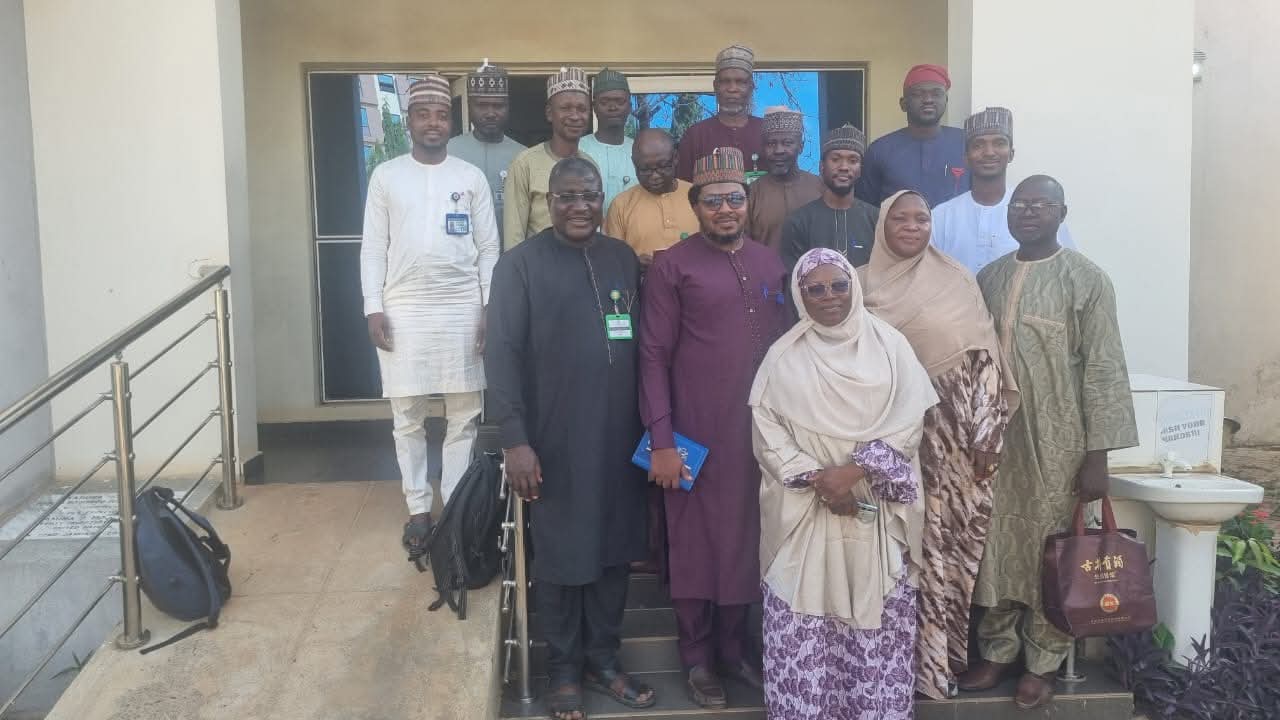
The Kaduna State Bureau of Statistics (KDBS) has partnered with Pathfinder Impact Catalyst to launch a comprehensive mapping and landscape analysis aimed at strengthening community healthcare delivery in Kaduna State.
The initiative, titled Community Access to RMNCAH+N Innovations Service, focuses on improving access to Reproductive, Maternal, Newborn, Child, Adolescent Health, and Nutrition services across the state.
The engagement, held at the KDBS headquarters, brought together senior officials from both organisations to finalise the framework for the study, which will be conducted in three selected Local Government Areas.
Strengthening Healthcare Delivery
The study is expected to provide detailed insights into the healthcare system at the community level. Key focus areas include mapping community health workers and assessing their linkages with formal health facilities, as well as evaluating residents’ awareness, access, and utilisation of essential health services.
It also aims to identify gaps in service delivery and recommend strategies for building a more resilient and responsive healthcare system.

Representing the Statistician General of Kaduna State, Dr. Bukar Baba Alhaji, the KDBS management emphasised the importance of accuracy and credibility in the study.
According to the Bureau, robust methodologies, including scientifically sound sampling techniques and rigorous data collection processes, will be deployed. All data gathered will also undergo strict validation to ensure reliability and usefulness for policymakers.
“Reliable, evidence-based data is the cornerstone of effective policy formulation. This collaboration will ensure that health interventions in Kaduna are not just well-intentioned, but targeted and measurable,” the management team stated.
Improving Outcomes for Vulnerable Populations
Both KDBS and Pathfinder Impact Catalyst noted that the partnership is expected to significantly improve decision-making in the health sector, particularly in addressing the needs of vulnerable populations.
They added that the findings from the study will guide the design of interventions that enhance reproductive health services, nutrition, and overall community wellbeing, ensuring that no community is left behind.