


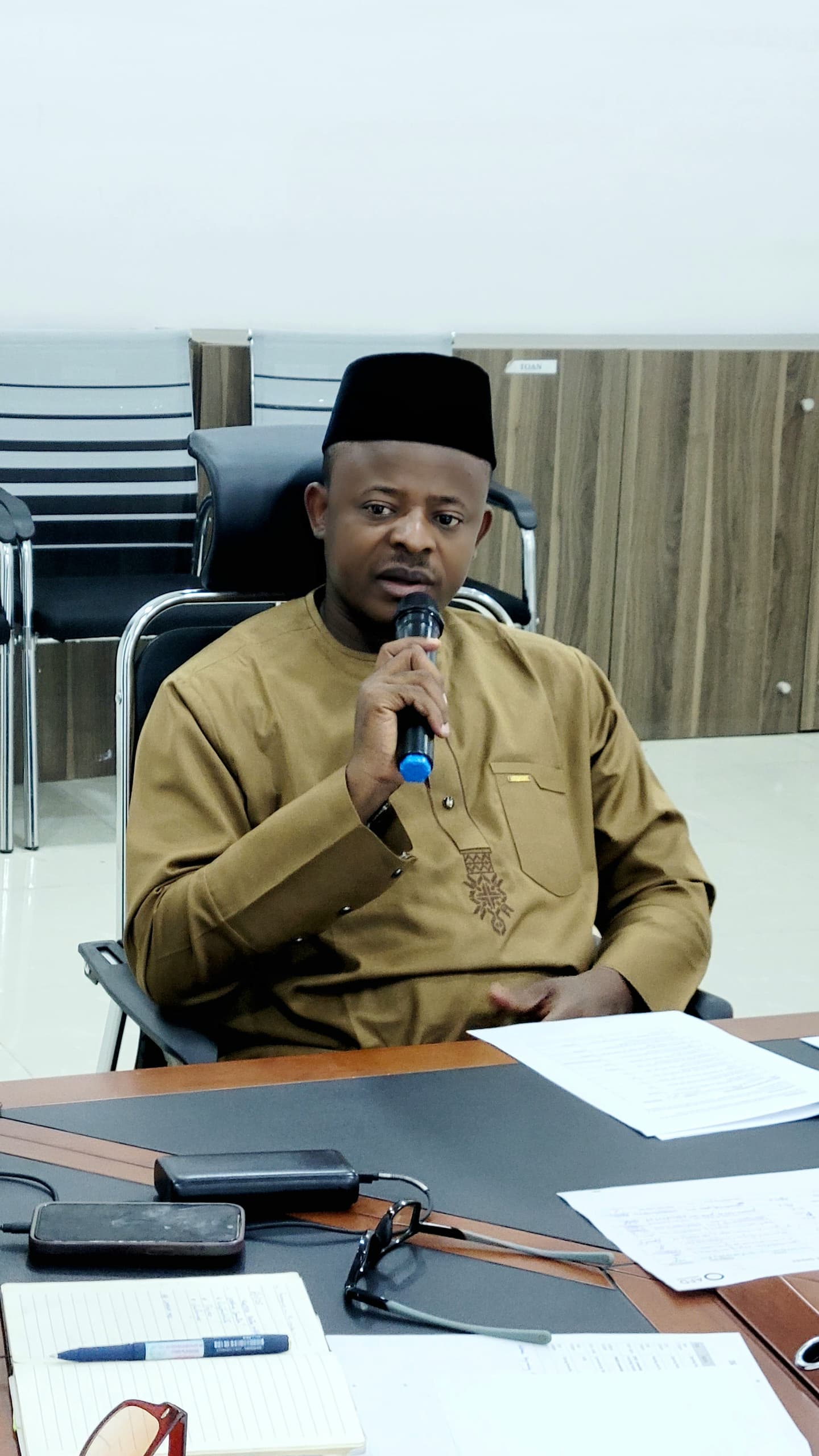
The Director General of the Kaduna State Transport Regulatory Authority (KADSTRA), Engr. Inuwa Ibrahim, has called for comprehensive reforms in Nigeria’s railway sector, warning that recurring train derailments across the country expose critical weaknesses in rail infrastructure, operations, and safety management.
Speaking during an interview on Arise Television, Engr. Ibrahim said recent rail accidents, including the reported derailment on the Warri–Itakpe rail corridor in Delta State, which claimed lives and left several passengers injured, underscore the urgent need for sustained investment and reforms to improve railway safety nationwide.
Read also: Minister Defends Tinubu’s Economic Reforms, Promises Relief for Nigerians
FG Unveils 10,000 Electric Tricycles to Cut Transport Costs
According to him, train derailments in Nigeria are often caused by a combination of infrastructure failures, operational lapses, mechanical defects, environmental factors, and security challenges.
He explained that deteriorating or damaged rail tracks, including cracked rails, can destabilize moving trains and increase the risk of derailments. He also identified human error, such as excessive speed, poor interpretation of signalling systems, and inadequate training of railway personnel, as major contributors to rail accidents.

The KADSTRA Director General further noted that mechanical failures, particularly faulty braking systems and engine defects, remain significant safety concerns within the country’s rail transport system.
He added that environmental conditions, including flooding, landslides, and extreme heat capable of causing rail tracks to expand and buckle, also pose serious threats to safe rail operations.
Engr. Ibrahim stressed the importance of effective communication and signalling systems, particularly on single-track rail corridors such as the Kaduna-Abuja route, where safe operations depend on proper coordination between trains travelling in opposite directions.
Read also: Just in: NCAA Targets Safer Skies With Exam Reforms
He also warned against overloading passenger coaches, noting that exceeding the designed carrying capacity places excessive stress on rail infrastructure and increases the likelihood of accidents.
The transport expert identified vandalism and sabotage as additional threats to railway safety, explaining that tampering with locomotives, braking systems, rail tracks, and other critical infrastructure could have devastating consequences for passengers and railway operations.
To address these challenges, he advocated regular maintenance of railway infrastructure, deployment of modern rail technology, continuous training for railway personnel, enhanced security around rail assets, and stronger measures to curb vandalism.
Engr. Ibrahim also called for stricter enforcement of railway right-of-way regulations to prevent vendors, pedestrians, and unauthorized persons from encroaching on rail corridors, emphasizing the need for sustained public awareness campaigns to improve safety.
On railway development, he disclosed that the Federal Government is advancing plans for the construction of a 50-kilometre light rail system in Kaduna State.
According to him, the proposed light rail network will connect key parts of the Kaduna metropolis and integrate with the existing Kaduna-Abuja standard gauge rail line, improving urban mobility, reducing traffic congestion, and stimulating economic growth.
Read also: Kano Assembly Tackles Soaring House, Shop Rents
Kaduna Intensifies Urban Transport Reform with Transit Project
He expressed optimism that with sound policies, sustained investment, modern technology, and effective safety measures, Nigeria’s railway sector can evolve into a safer, more efficient, and reliable mode of transportation capable of supporting the country’s growing mobility needs.