


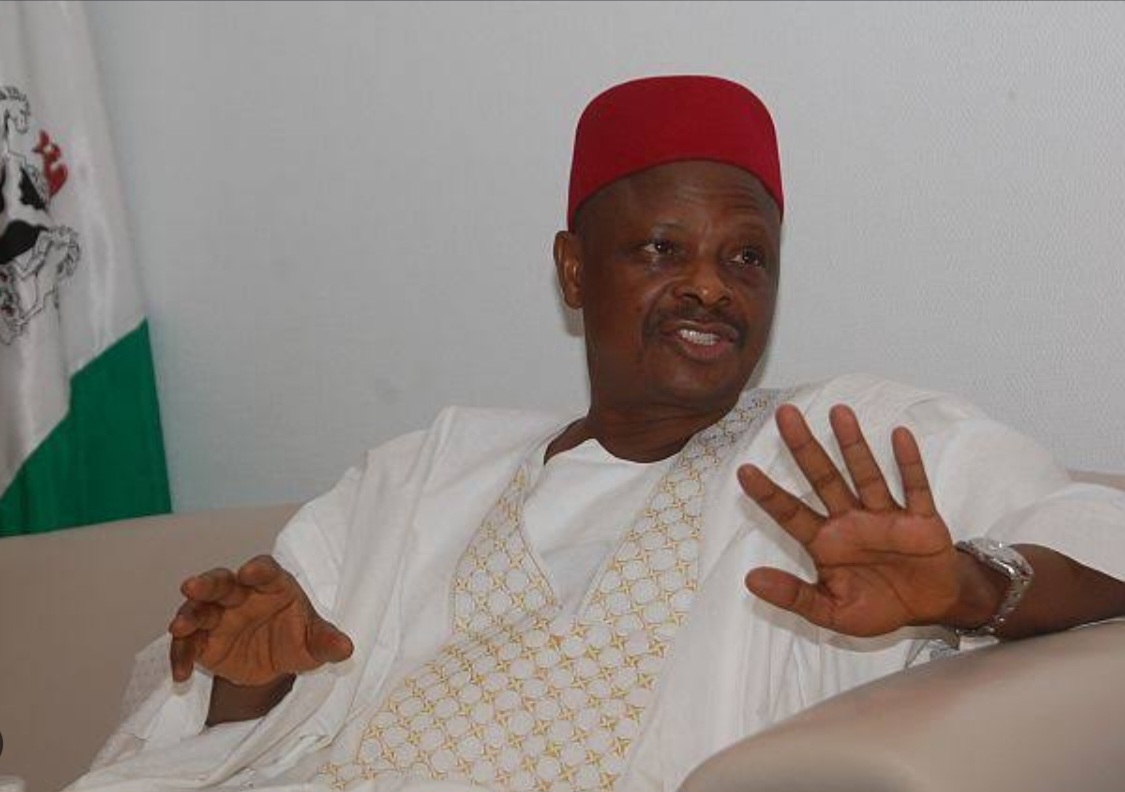
The Kwankwasiyya Movement has called on the Federal Government to provide a comprehensive explanation over the controversy surrounding the alleged Presidential Foreign Intervention Promotion Council (PFIPC), describing the matter as a critical test of transparency, accountability and institutional credibility.
In a statement issued on Saturday and signed by its spokesperson, Dr. Habibu Sale Mohammed, the movement said the controversy had gone beyond allegations against an individual and now raises fundamental questions about public governance and the management of public resources.
Read also: Affordable Housing: FG Advances 10,000 Units Across Nigeria
“Disclose ₦1.3bn Budget Records Now,” SERAP Tells National Assembly
According to the statement, while the Presidency has publicly denied the existence of the PFIPC and distanced itself from individuals claiming to represent the body, reports suggesting that more than ₦1 billion was appropriated for an entity bearing the same or a similar name in the 2026 Appropriation Act require official clarification.
The movement said the conflicting claims have generated concerns that warrant a transparent investigation, urging the Federal Government to explain how the alleged budgetary allocation came to be included if the council did not exist.

It also called for answers on who proposed and approved the allocation, which government agencies processed the relevant documentation, whether any public funds were released or committed, and how any allegedly forged official documents, if confirmed, were used without detection for an extended period.
“The issue is no longer about one individual. It is about public accountability and the integrity of government institutions,” the statement said.
Read also: Speaker Commissions Soba Projects to Boost Education, Healthcare
The Kwankwasiyya Movement noted that the administration of President Bola Ahmed Tinubu came into office on the promise of institutional reforms, transparency and responsible governance, adding that the government’s response to the controversy would be a measure of its commitment to those ideals.
It further argued that the controversy could have implications for Nigeria’s international image, warning that uncertainty surrounding the authenticity of government institutions and official appointments may affect investor confidence and the country’s investment climate.
The movement therefore urged the Presidency to publish a detailed account of the facts surrounding the matter, including the origin of the alleged budgetary provision, the administrative processes involved, and measures being taken to prevent a recurrence.
‘Who Approved It?’ Dalung Grills Presidency Over Alleged Fake Agency
It also called on the National Assembly, anti-corruption agencies and other relevant oversight institutions to conduct an independent investigation into all aspects of the controversy in accordance with the law.
Read also: Say No to Vote Buying, Violence, Minister Urges Nigerians
Reaffirming its commitment to democratic governance, the Kwankwasiyya Movement said it would continue to advocate for transparency and accountability, stressing that public office remains a public trust and that every appropriated public fund must be subject to scrutiny.
The statement pointed out that, Nigerians deserve clear and timely explanations, emphasizing that democratic governance thrives on openness, accountability and public confidence in state institutions.