


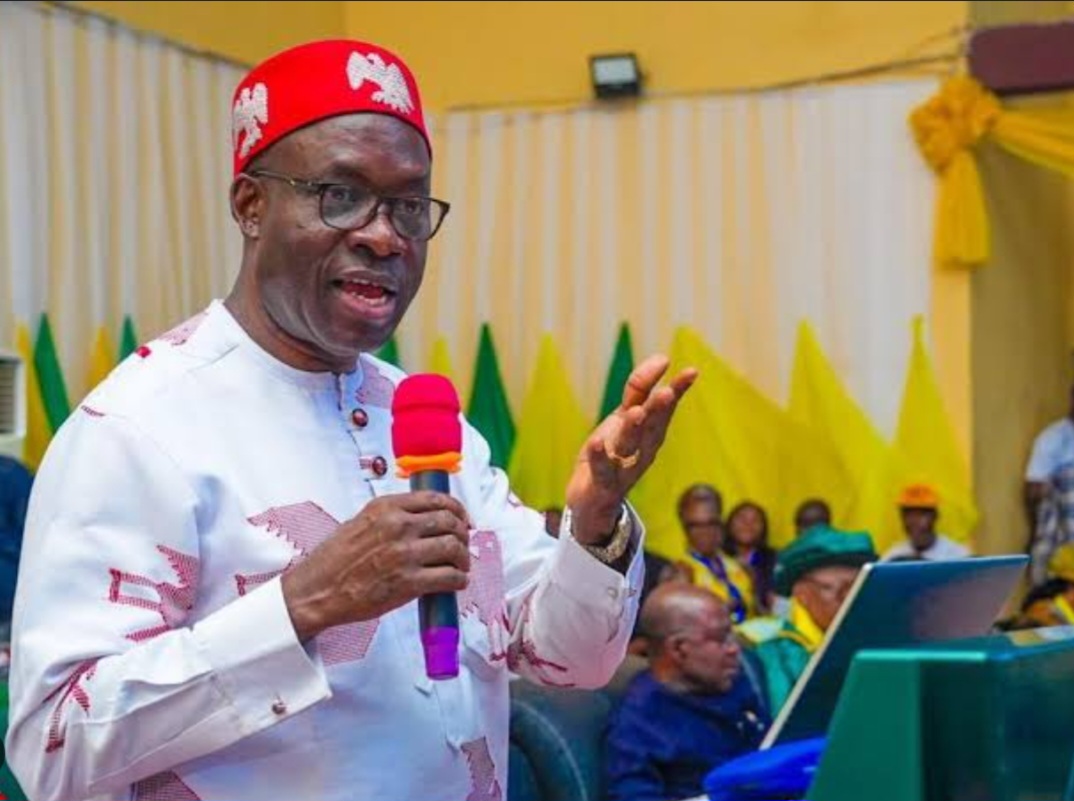
The Anambra State Government has rejected an apology issued by blogger Ejike Ofoegbu over false publications involving Governor Charles Soludo and his son, Ozonna, insisting that the retraction cannot erase the alleged damage caused by the reports.
According to Ireporter Online, the blogger had publicly apologised to Governor Soludo and his son after admitting responsibility for publishing a series of false stories about the family.
Read also: Speaker Commissions Soba Projects to Boost Education, Healthcare
Court Restrains Sowore,Over Alleged Defamation of IGP Egbetokun
However, in a statement released by the Chief Press Secretary to the Anambra State Governor, Christian Aburime, the government described the apology as insufficient, arguing that the publications caused serious reputational harm that requires accountability beyond an expression of regret.
Aburime stated that Ofoegbu’s actions went beyond what could be described as poor judgment or irresponsible journalism, alleging that the publications were a deliberate attempt to spread falsehoods for online engagement and financial benefit.
The government said the blogger only issued a “Public Apology and Full Retraction” after legal consequences became imminent, adding that the apology came after the alleged damage had already been done.
The statement accused Ofoegbu of creating fabricated narratives involving Governor Soludo and his son, including false claims about family disputes, personal attacks and political issues, describing the allegations as fictional stories presented as journalism.
Read also: Affordable Housing: FG Advances 10,000 Units Across Nigeria
Aburime argued that the blogger did not merely fail to verify information but allegedly created the claims himself, accusing him of using real individuals as subjects for sensational content aimed at generating clicks and revenue.
The governor’s spokesperson maintained that Ofoegbu must face the consequences of his actions, citing provisions of the Cybercrimes (Prohibition, Prevention, Etc.) Act 2015, which carries penalties including imprisonment and financial fines for certain offences.
The Anambra State Government also called on professional journalism and blogging organisations to take action, urging bodies responsible for maintaining ethical standards in the media industry to address what it described as a threat to credibility in the digital space.
Aburime said Ofoegbu’s case should serve as a warning to bloggers, publishers and social media users who engage in spreading unverified information, stressing that digital records can be traced and accountability will eventually follow.
Release Kurfi, Engage His Expertise to Tackle Insecurity, UNICODI Urges Katsina Govt
Read also: 2027: Kebbi Backs Tinubu’s Re-election Bid, Says Yari
The government further warned individuals allegedly involved in campaigns against Governor Soludo through attacks on his family, saying such actions would not be tolerated and that those responsible would eventually be held accountable.
Ireporter