

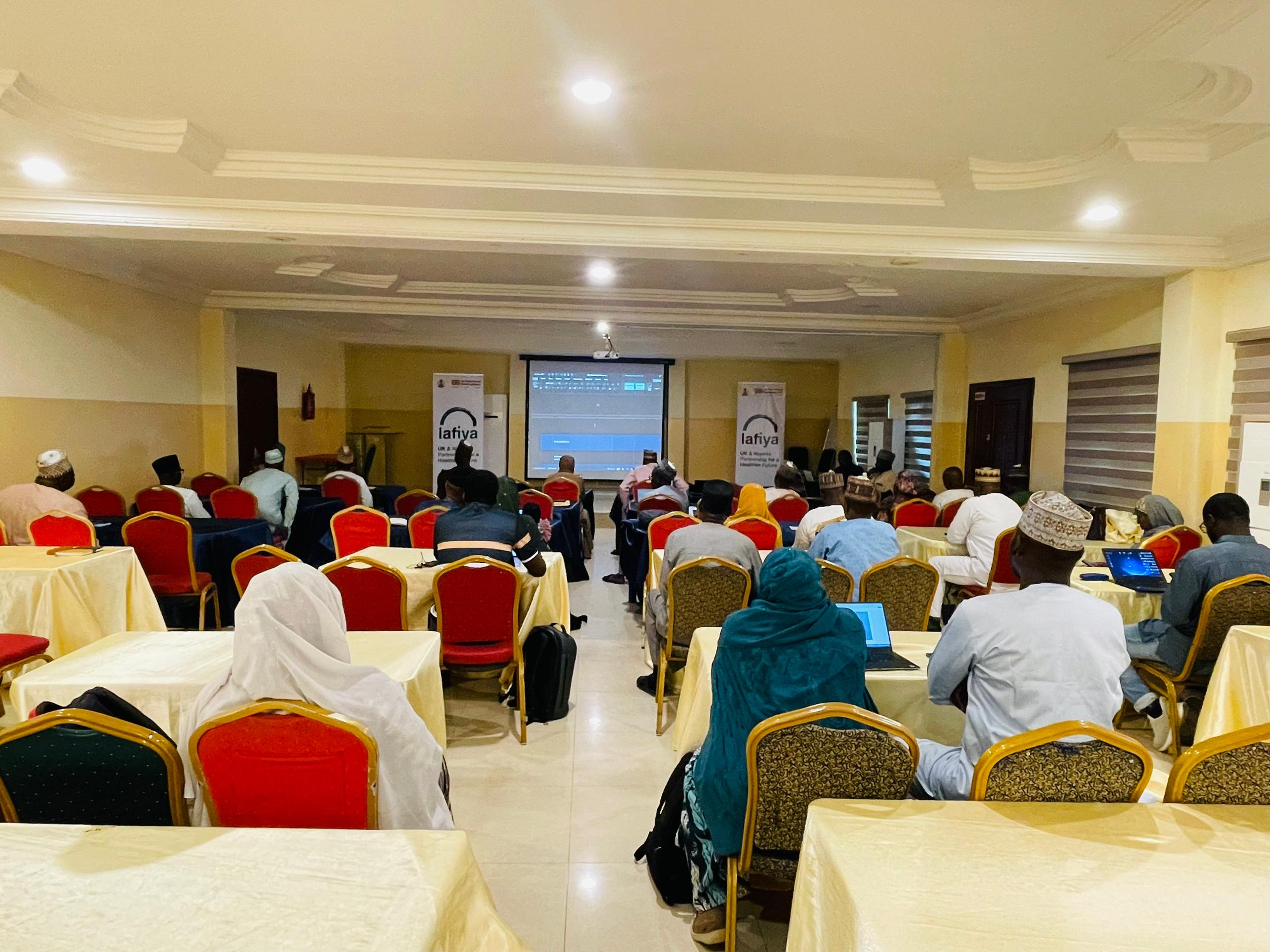
The Kano State Accountability Mechanism (KanSLAM), in collaboration with the UK-FCDO Lafiya Programme, has convened a validation session for the Citizens-Led Family Planning Financing Advocacy Message Development document aimed at strengthening accountability and improving child spacing financing in Kano State.
The session, held in Kano, brought together representatives from government ministries, civil society organisations, development partners, and community groups to review and validate the Family Planning Finance Advocacy Pack.
Read also: Kano IntegratE Project Close-Out: Stakeholders Push to Sustain Health Gains
The Secretary of KanSLAM, Dr. Nura Haladu, said the workshop focused on budget tracking, fund releases, expenditure monitoring, and advocacy strategies to advance sustainable family planning financing in the state.
He explained that the validation exercise was designed to ensure the document reflects stakeholders’ inputs and aligns with the current realities of health financing in Kano.
In her opening remarks, Co-Chair of KanSLAM, Pharmacist Maimuna Muhammad, described the event as a historic moment for health financing advocacy in Kano.
She emphasised that the process goes beyond consensus-building, stressing the importance of open dialogue and collective ownership.
She urged participants to see the document as a shared responsibility not solely for government implementation but one that requires active involvement from implementing partners, civil society organisations, and community actors.
Read also: Rabies Scare Grips Kano as Dog Bites 18 Residents
In a goodwill message,the Kano state commissioner for health Dr Abubakar Labaran represented by the State Coordinator for Maternal, Neonatal and Child Health (MNCH) Dr. Mansura Yahaya, described the initiative as timely.
She noted that despite challenges with fund releases, Kano State has in recent years achieved nearly 100 per cent release for approved health activities.
Dr. Mansura expressed optimism that the validated advocacy document would further strengthen health financing systems and accountability mechanisms across the state.
During the technical session, the consultant representing the Lafiya Programme reaffirmed the project’s commitment to supporting ongoing health reforms in Kano.
He commended the state government for aligning with the Abuja Declaration target of allocating 15 per cent of the budget to the health sector, including dedicated funding for Reproductive, Maternal, Newborn, Child and Adolescent Health (RMNCAH).
He explained that the advocacy pack, developed through key informant interviews and stakeholder consultations, contains a new budget tracking tool, creative advocacy briefs, and summaries of federal and state efforts on family planning.
Read also: Nigeria Takes Major Step Toward Local Health Manufacturing
According to him, these tools will enable KanSLAM and Ward Development Committees (WDCs) to effectively monitor fund utilisation, enhance transparency, and improve coordination among relevant ministries and agencies.
He expressed confidence that the validated document would deepen stakeholder ownership and serve as a reliable reference point for advancing child spacing and health financing initiatives in Kano State.