


Khadijah Aliyu-Nigeria
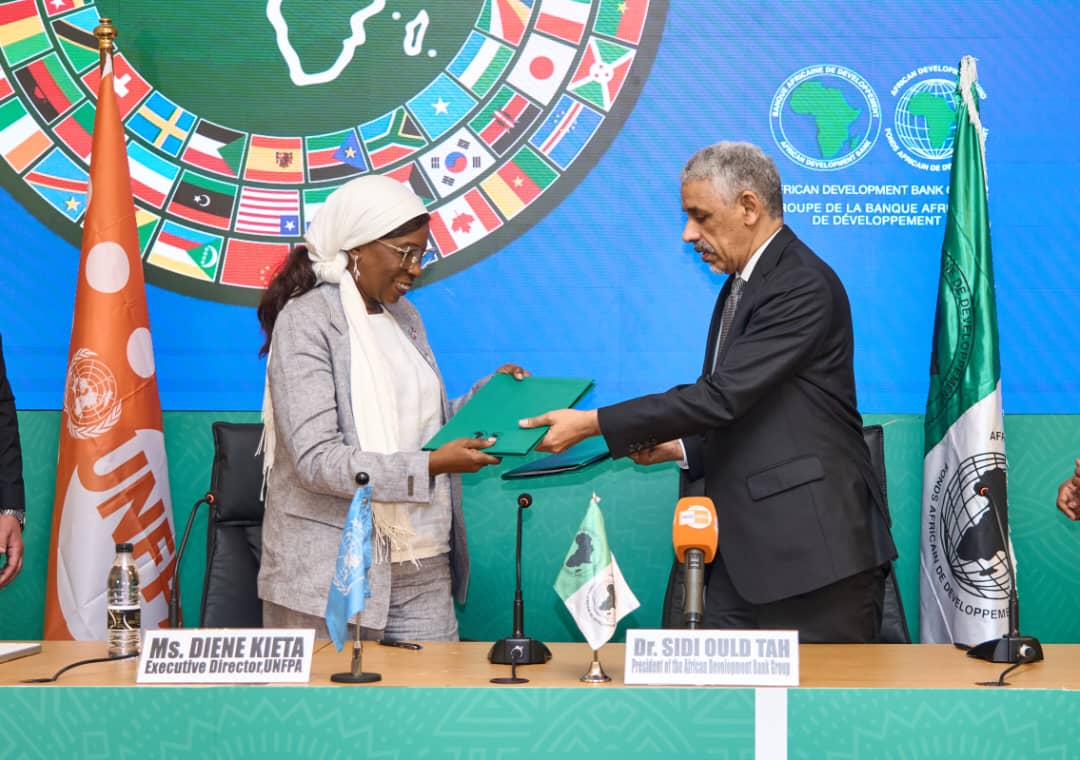
The United Nations Population Fund UNFPA and the African Development Bank AFDB have signed a new Memorandum of Understanding aimed at positioning maternal health and demographic resilience as key drivers of Africa’s economic transformation.
Read also: Kano Moves to Improve Tracking of Maternal, Newborn Deaths
The agreement was signed on the sidelines of the African Development Bank Annual Meetings and seeks to frame investments in maternal health not merely as healthcare interventions, but as strategic investments in economic growth, productivity, resilience, and human capital development across the continent.
According to the partners, the initiative is designed to help African countries harness their demographic dividend by prioritizing women’s health and empowering young people.
Ending FGM by 2030 at Risk Without Sustained Funding -UNFPA
Despite significant progress in reducing maternal mortality across Africa, the continent continues to face major challenges, including structural barriers, unequal access to quality healthcare services, and persistent financing gaps.
Speaking during the signing ceremony, Diene Keita said Africa stands at a critical moment where strategic investments in women and youth could unlock immense economic opportunities.
“Immense opportunity is within Africa’s grasp if we make strategic investments in women and young people. Economic progress for Africa is only possible if we prioritize women’s health and address one of the continent’s most pressing development challenges: preventable maternal deaths,” Keita stated.
She added that the renewed partnership demonstrates a shared commitment to placing maternal health and human capital development at the center of Africa’s economic transformation agenda.
Under the new agreement, UNFPA and AfDB will explore innovative financing and implementation mechanisms aimed at increasing investments in women and young people as catalysts for Africa’s development.
Key areas of focus under the partnership include:
Read also: Malnutrition: UNICEF Hands Over 11,580 Cartons of RUTF to Gombe
Modernizing the health workforce through digital training;
Strengthening local procurement systems;
Upgrading climate-resilient health infrastructure;
Supporting the digitization of health information systems; and
Integrating demographic transition planning into national financing strategies.
The two organizations highlighted several achievements from their longstanding collaboration since 1992, including:
Modernization of population data systems in Côte d’Ivoire through the country’s recent census;
Improved Emergency Obstetric and Newborn Care services across 11 health districts in Cameroon;
Reproductive health and hygiene awareness programmes in rural regions of Madagascar; and
Read also: Kano NMA Hails Abba Yusuf’s Efforts to Improve Healthcare
Integration of gender equality and reproductive health considerations into climate adaptation planning across 10 countries in East and Southern Africa.
UNFPA further noted that the partnership will ensure demographic transition roadmaps become central to national financing strategies, helping governments recognize investments in health and human rights as essential to Africa’s long-term prosperity.