


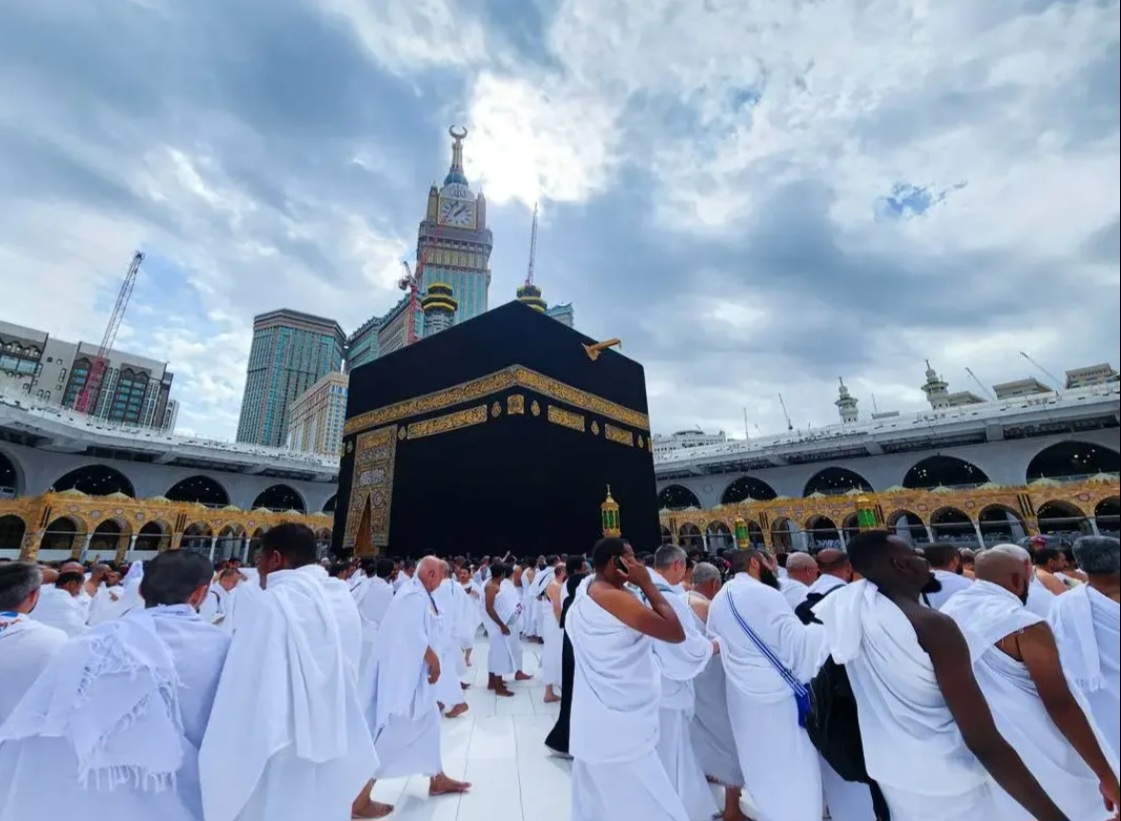
As millions of Muslims prepare for the commencement of the 2026 Hajj pilgrimage on Monday, May 25, the Kingdom of Saudi Arabia has activated an extensive security and public health network aimed at protecting an estimated 1.5 million pilgrims expected to gather at the holy sites.
The measures come amid heightened global health concerns following recent virus outbreaks, including Ebola cases reported in parts of Africa and classified by the World Health Organization as public health emergencies.
Read also: ABU SPESSE-CE Graduates 420 in Sustainability Training
Saudi authorities say the Kingdom has reached full operational readiness, deploying a sophisticated system that combines modern technology, advanced healthcare services, and crowd management strategies to ensure a safe and orderly pilgrimage.
As part of the security preparations, authorities have introduced AI-powered crowd monitoring systems, drones, and thermal imaging technologies to track crowd movement, manage traffic flow, and prevent congestion around key pilgrimage locations in real time.
Security agencies are also maintaining heightened surveillance across the holy sites to ensure the safety of pilgrims throughout the spiritual exercise.

AI, Drones Take Fight Against Egg Theft Global
Health protocols have been strengthened at all entry points into the Kingdom, including airports, seaports, and land borders. Specialized medical teams have been stationed to screen arriving pilgrims and quickly identify any potential public health threats before they reach the holy sites.
Saudi officials stated that the enhanced health measures are part of broader efforts to prevent the spread of infectious diseases during one of the world’s largest annual religious gatherings.
To address the extreme summer temperatures often experienced during Hajj, the Saudi government has expanded climate-adaptive infrastructure, including shaded walkways and cooling systems around major pilgrimage routes.
Read also: Halt Registration Fees Before Businesses Suffer-Phone Traders to FG
Authorities also confirmed the deployment of 34 dedicated medical units near the Grand Mosque and surrounding holy sites.
In addition, the Saudi Ministry of Health has mobilized more than 30,000 medical and emergency personnel, including first responders, field teams, and healthcare workers across 16 fully equipped hospitals in Makkah and surrounding pilgrimage areas.
The facilities are expected to provide both routine and emergency medical services throughout the pilgrimage season.
Drone Strikes, Explosions Disrupt Dubai, Abu Dhabi Airports
The Saudi Hajj Security Committee reiterated its commitment to maintaining peace, stability, and the sanctity of the pilgrimage amid ongoing geopolitical tensions in parts of the region.
Officials warned against attempts to politicize the religious exercise, stressing that the Kingdom would take firm action to prevent any disruption to the spiritual atmosphere of Hajj.
“Our epidemiological surveillance and security command systems are operating at the highest levels of readiness,” a spokesperson for the Public Health Authority said. “From the moment a pilgrim steps onto Saudi soil, they are under our care.”
Read also: Speaker Commissions Soba Projects to Boost Education, Healthcare
Experts have described the Hajj operation as one of the most complex logistical and human management exercises globally, involving the coordination of millions of worshippers, transportation systems, healthcare services, and security personnel within a limited period.
The 2026 Hajj is expected to officially begin on Monday as pilgrims complete final preparations for the sacred rites in Makkah and other holy sites.