


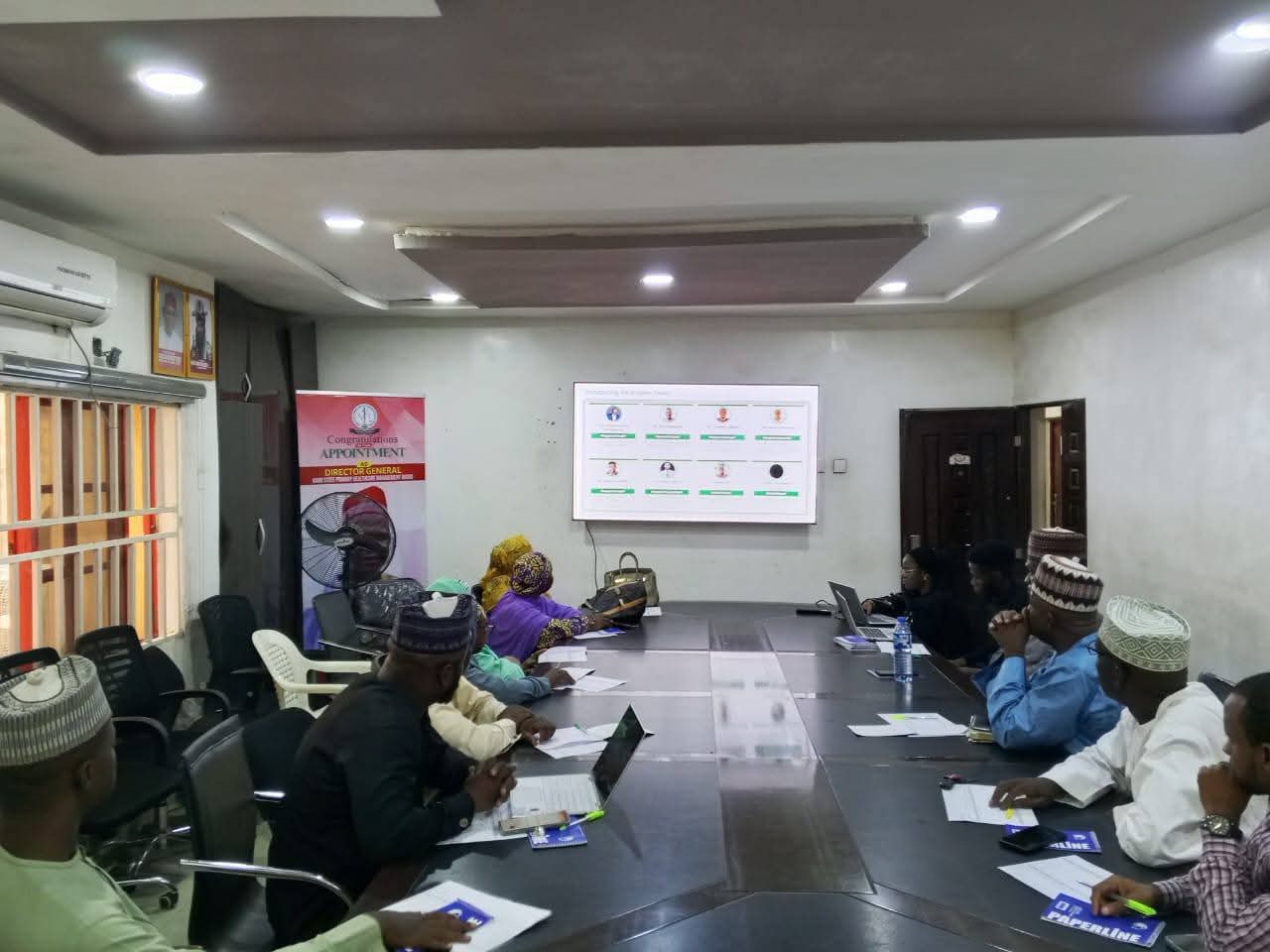
The Kano State Primary Health Care Management Board (KSPHCMB), in collaboration with the Solina Centre for International Development and Research (SCIDaR), has convened a stakeholders’ dissemination meeting to review findings from the Phase II study on preeclampsia referrals in Kano State.
The study, conducted across eight Local Government Areas with high maternal mortality rates, examined referral completion among pregnant women diagnosed with preeclampsia at Primary Health Care (PHC) facilities, the quality of care received at referral centres, maternal and foetal outcomes, and factors influencing successful referrals.
Speaking during the meeting, the Director General of KSPHCMB, Prof. Salisu Ahmed represented by the Director of Pharmaceutical Services, Pharm. Abdullahi Abubakar Danzabuwa, described the research as a timely and evidence-driven initiative that will contribute significantly to improving maternal healthcare services in the state.
He noted that the findings provide critical insights for strengthening referral systems, enhancing the management of preeclampsia and eclampsia, and reducing preventable maternal and newborn deaths across Kano State.
According to him, the evidence generated by the study will support policymakers, healthcare managers, and frontline health workers in developing more effective strategies to ensure timely access to quality care for pregnant women experiencing complications.
Participants at the dissemination meeting commended the collaborative effort between KSPHCMB and SCIDaR and emphasized the need for stronger partnerships among government institutions, healthcare providers, and development partners to implement the study’s recommendations.

They stressed that sustained collaboration and investment in maternal health interventions are essential to improving referral systems and achieving better health outcomes for mothers and newborns across the state.
The meeting forms part of ongoing efforts by the Kano State Government and its partners to strengthen primary healthcare services and accelerate progress toward reducing maternal and neonatal mortality.