


Ibrahim Sulaiman
The Kaduna State Government has reaffirmed its commitment to transforming urban transportation through the Kaduna Transit Project, designed to provide a safe, efficient, reliable, and affordable public transport system across the state.
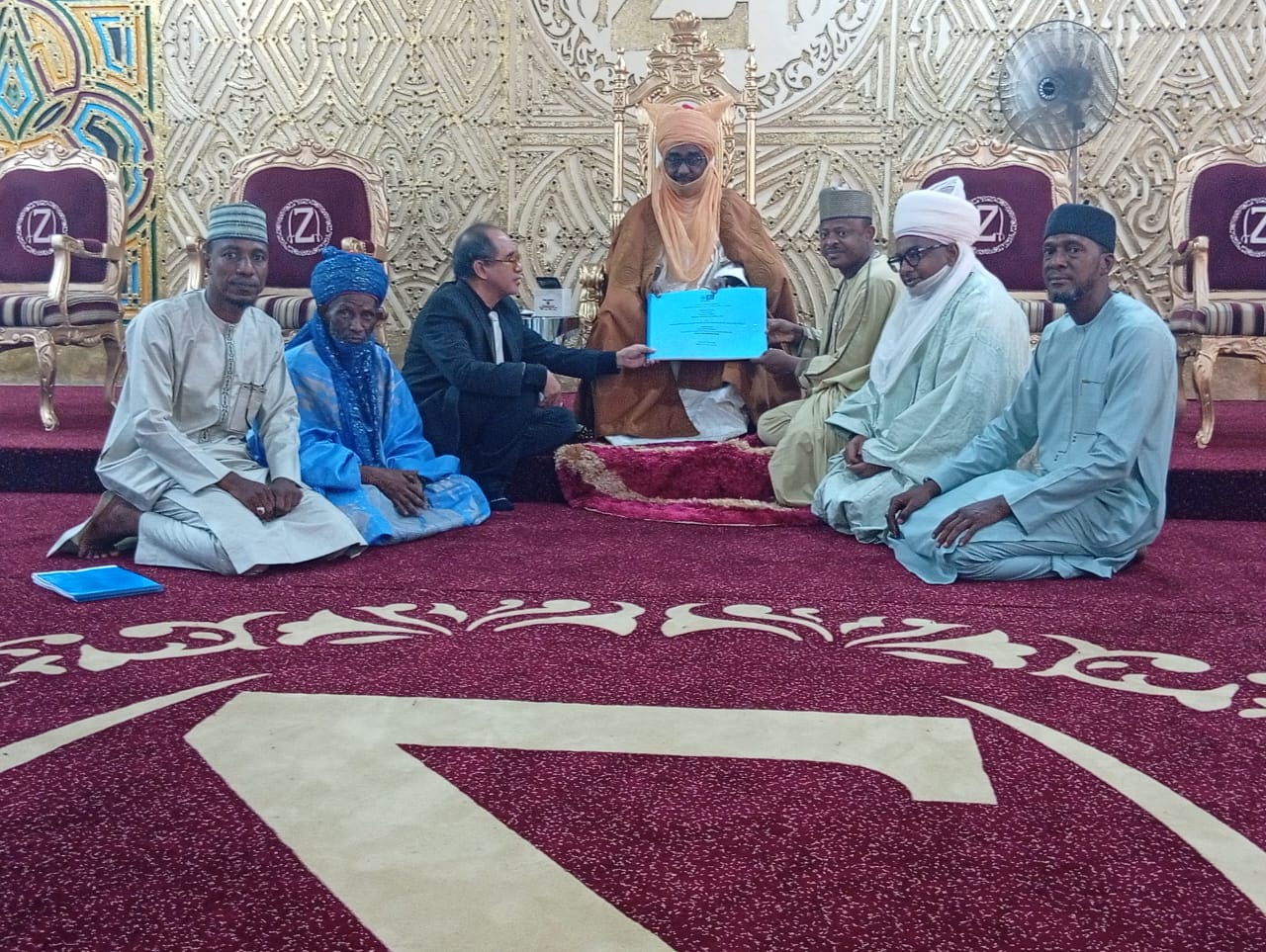
The Director-General of the Kaduna State Transport Regulatory Authority (KADSTRA), Engr. Inuwa Ibrahim, made this known during a courtesy visit to the Emir of Zazzau, Ambassador Ahmed Nuhu Bamalli, at his palace in Zaria. He led a delegation comprising management teams from KADSTRA and Kaduna Line.
Kano MPPPME Intensifies Oversight of Urban Renewal Projects
Engr. Ibrahim said the visit was aimed at seeking royal blessings, as well as the support and cooperation of traditional institutions for the successful implementation of the project.
He explained that the initiative is part of the state government’s broader strategy to improve the quality of life of residents, boost economic productivity, and promote sustainable urban development.

According to him, the project includes the development of approximately 50 kilometres of dedicated transit corridors within Kaduna metropolis, alongside the construction of modern terminals and expansion of routes linking Kaduna to Abuja city centre.
The Director-General further disclosed that plans are underway to extend similar projects to Zaria, including a proposed 35-kilometre monorail system that will connect key areas such as Shika and major institutions, in line with global transportation standards.
He also revealed that about 200 Compressed Natural Gas (CNG) buses have been procured to cushion the impact of fuel subsidy removal and reduce transportation costs for residents.
President Tinubu Commissions Greater Abuja Water Project
However, Engr. Ibrahim identified inadequate CNG refuelling infrastructure as a major challenge, particularly in Zaria, and called for stronger collaboration among stakeholders to address the gap.
He noted that the state government has so far subsidised the transport system with over N1.3 billion, benefiting more than 1.4 million passengers since the commencement of operations. He added that the initiative, initially introduced as a six-month free service, was extended due to its positive impact on the populace.
In his remarks, the project’s design consultant, Mr. Theodor Regina, observed that Kaduna requires a modern transport system to tackle congestion caused by informal transport services such as tricycles and motorcycles, drawing comparisons with cities in Southeast Asia.
Responding, the Emir of Zazzau, Ambassador Ahmed Nuhu Bamalli, commended the initiative, describing it as timely and capable of transforming transportation in the state.
The Emir recalled the efficiency of rail transport in the past and stressed the need to revive such systems to improve safety and reduce road accidents linked to overloading and poor regulation.
He expressed optimism that with proper planning and sustained commitment, Kaduna State could achieve a modern and efficient transport system comparable to global standards.
The Director-General was accompanied on the visit by KBRT specialists and management staff of KADSTRA and Kaduna Line.