


Muhammad Sani
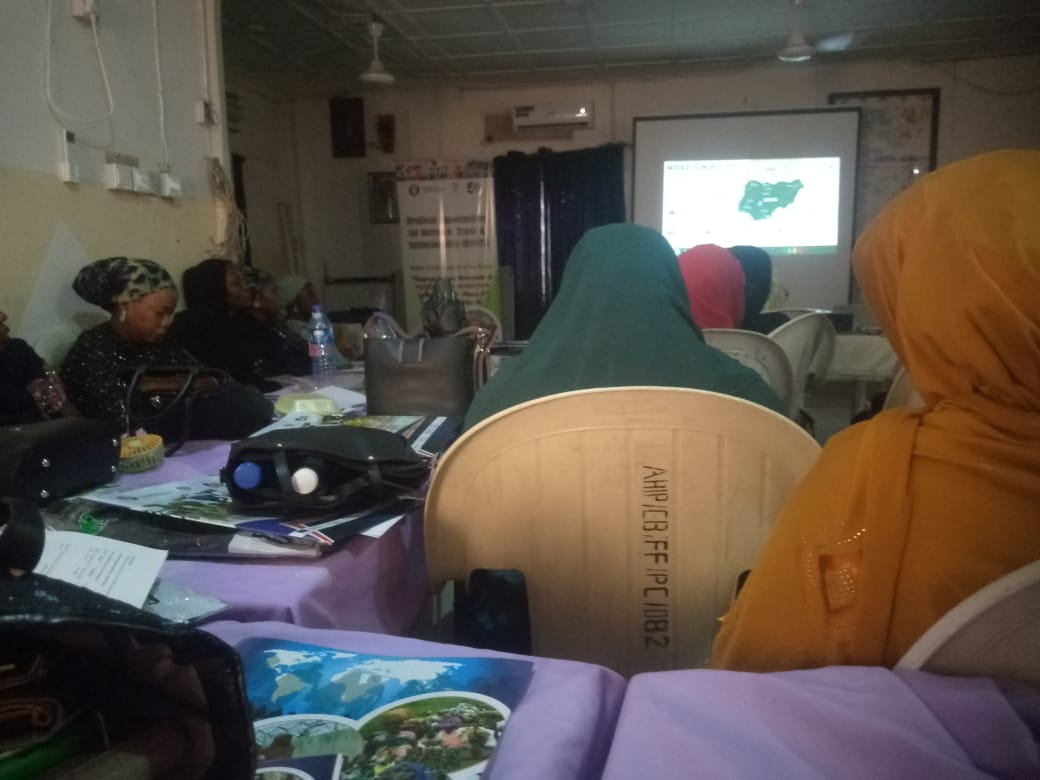
The Adolescent Health Information Project (AHIP), in collaboration with the International Organization for Migration through its ROOTS Project, has organised a three-day training for civil society organisations (CSOs) and women groups on the ECOWAS Protocol and migrants’ rights in Kano State.
Read also: Hisbah Ta Sanya Maiwushirya da ‘Yar Guda Cikin Auren Gata na Kano
The training is aimed at educating participants on the ECOWAS Protocol on free movement, migration corridors in West Africa, and the rights of migrants, among other key issues related to migration and human trafficking.
Speaking during the training, the ROOTS Project Programme Manager, Halima Kasim, said the initiative seeks to reduce the impact of irregular migration, noting that many Nigerians migrate without proper documentation or adequate information.
AHIP, CDA Strengthen Farmers’ Skills with Practical Field Trip
According to her, irregular migrants often live in hiding and struggle to secure legitimate employment opportunities in their destination countries.
She explained that many migrants who travel through irregular channels are exposed to dangerous routes and various forms of exploitation, including forced prostitution, organ trafficking, and other abuses.
“What ROOTS is doing is to educate people on how to migrate in the right way,” she said.
Read also: Kwankwaso Na Shirin Tsayar da Gwarzo Takarar Gwamnan a Kano
A facilitator at the training, Abba Bello Ahmed, noted that vulnerable groups, particularly women and young people, are among the worst affected by unsafe and irregular migration.
He said the sessions highlighted the risks women face during migration and also educated participants on reporting and referral mechanisms available to victims.
AHIP, CDA Training Transforms Smallholder Farmers with Climate Smart Techniques
Ahmed added that participants were trained on how to report cases to relevant authorities whenever migrants encounter abuse or exploitation.
Also speaking, a participant, Umar Mustapha Kiru of the White Heart Development Initiative, said irregular migrants often return to their home countries with serious health and psychological challenges.
He noted that the training equipped CSOs with knowledge on how to support and reintegrate returnees into society.
According to him, the knowledge gained would also help government efforts aimed at addressing the growing challenges associated with irregular migration.
Read also: Kano Eyes Jigawa’s 5.2% Food Security Edge in Social Protection
Another participant, Jamila Musa of the Envision Africa Initiative for Peace and Community Development, described the training as an eye-opener on the ECOWAS Protocol and migrants’ rights.
She urged citizens, especially young people, to avoid irregular migration and seek safer and legal migration pathways to prevent unforeseen circumstances.