

Blood is often described as the fluid that sustains life, but for thousands of patients facing medical emergencies, it can mean something much more the difference between life and death.
For women experiencing complications during pregnancy and childbirth, accident victims, children living with anaemia and patients requiring urgent surgery or other medical interventions, access to safe blood can determine whether hope is restored or lost.
Read also: AKY Blueprint: MPPPM&E Seeks Stronger Digital Accountability
It is against this background that the Global Shapers Community, Kano Hub, has sustained its annual blood donation campaign for thirteen years, bringing together young people and members of the public to contribute to the blood supply available for patients in need.
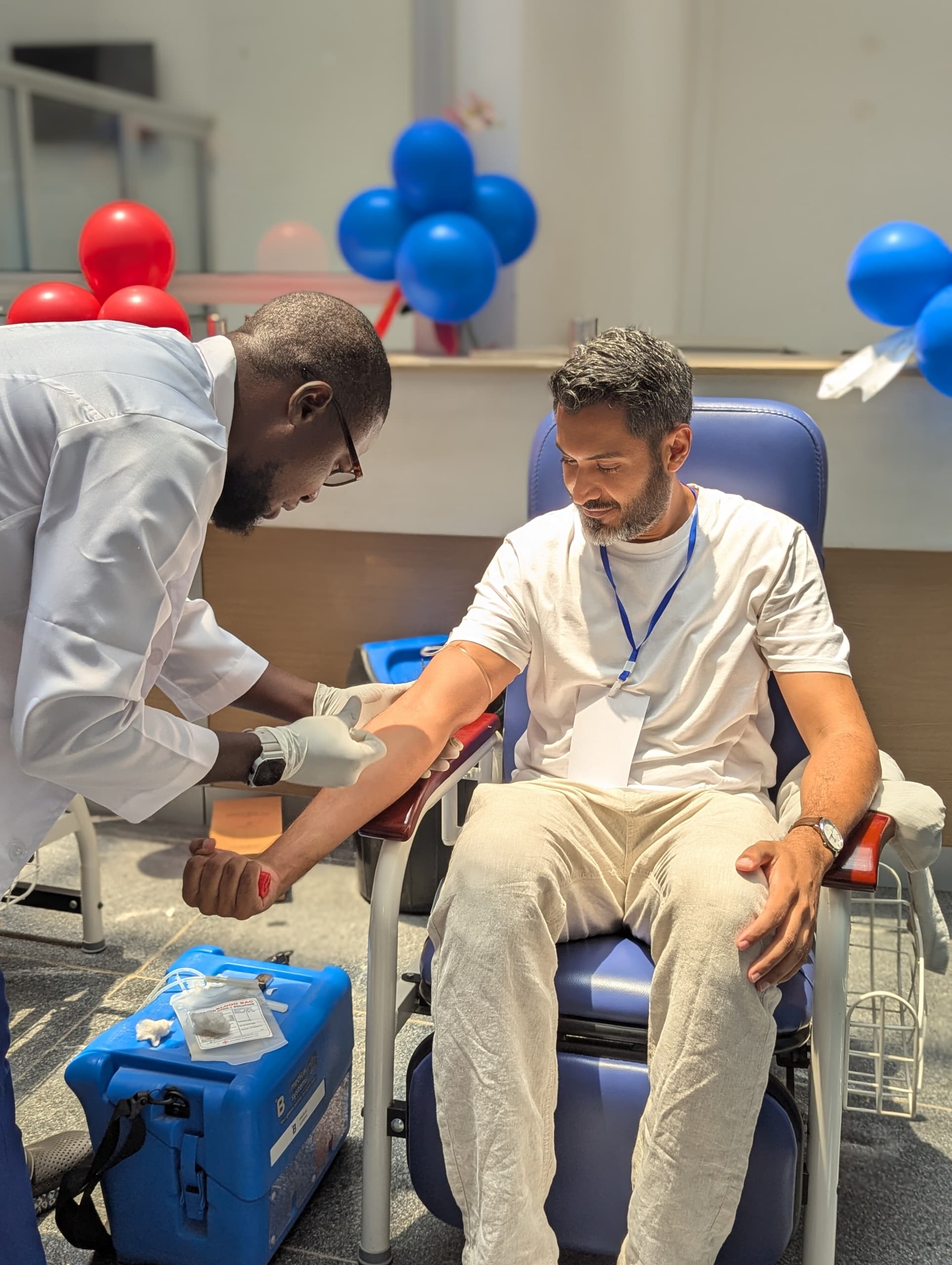
The 2026 edition, held at the Kano Cancer Treatment Centre, attracted a large turnout of volunteers and recorded one hundred and eight pints of blood donated by members of the community.
For the Curator of the Global Shapers Community, Kano Hub, Sumayya Umar Tofa, the exercise is not merely an annual event but a humanitarian intervention aimed at addressing the persistent need for blood.
She says the organisation also operates a blood-access initiative, linking patients who need blood with potential donors, particularly in situations where relatives or friends are unable to provide the required blood.
Mrs Umar Tofa recalls that the previous edition produced eighty-six pints of blood, stressing that the initiative could achieve even more with adequate support from individuals, organisations and development partners.
She believes stronger partnerships could enable the project to collect as many as two hundred pints of blood in a single day and eventually expand the initiative beyond Kano State.
But before donated blood reaches a patient, it must pass through a carefully controlled medical process.
Assistant Head of Nursing at the Kano Cancer Treatment Centre, Umar Halliru, represented the Chief Executive Officer of the centre, Dr Nafisa Abdu, and explained that every prospective donor passes through three stages pre-donation screening, blood collection and post-donation observation.
At the first stage, health workers assess the donor to determine whether the person is fit to donate. Vital signs, weight and other relevant health parameters are checked before the donor is cleared.
Read also: Nigerian Union Of Journalists NUJ Kano New Executives Sworn In
After the blood is collected, the donor is observed for between fifteen and thirty minutes and given advice on appropriate nutrition and hydration to support recovery.
Medical Laboratory Scientist at the centre, Shamsuddeen Muhammad Abubakar, says the quantity collected depends on the donor’s eligibility and screening results, with either a 250-millilitre paediatric blood bag or a 450-millilitre adult blood bag used.
He explains that factors such as age, weight, blood pressure, previous donation history and Packed Cell Volume, or PCV, are considered in determining eligibility.
According to him, donated blood is also screened for infections including HIV, hepatitis B, hepatitis C and syphilis before it is accepted for use.
For the volunteers, however, the process is about more than the medical procedures and statistics.
One of the donors, twenty-nine-year-old Mustapha Abdul, describes blood donation as an act of charity because the person who eventually benefits from the blood may be a stranger.
He says knowing that a pint of blood donated voluntarily could help someone survive a critical illness makes the experience rewarding and encourages him to continue participating.
As the donated blood undergoes screening, processing and storage, its eventual destination may be an emergency ward, a maternity unit, a paediatric facility or an operating theatre.
For patients and their families, the identity of the donor may never be known. What remains is the possibility that an anonymous act of generosity can provide another person with precious time and another chance to live.
Read also: Human trafficking:NAPTIP Receives 51 Rescued Victims in Kano
The Kano blood drive therefore presents a simple but powerful message: saving a life does not always require extraordinary intervention. Sometimes, it begins with an ordinary person willing to give a pint of blood.
And as the Global Shapers Community calls for wider participation and stronger partnerships, the challenge remains for more members of the public to embrace voluntary blood donation and help ensure that when blood is urgently needed, it is available.