


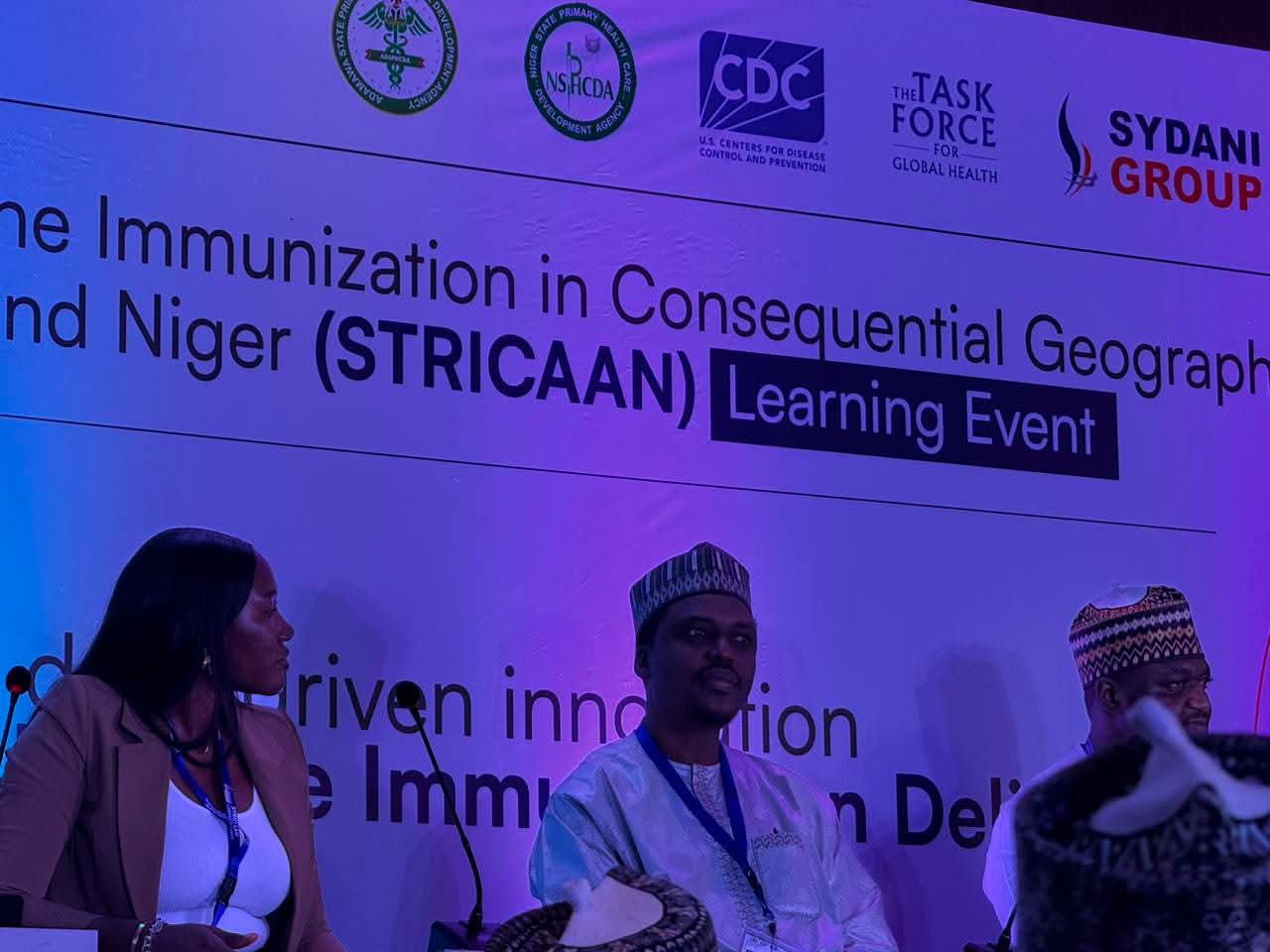
The Executive Secretary of the Katsina State Primary Health Care Agency (SPHCA) has reaffirmed the state’s commitment to leveraging data and digital innovation to improve routine immunization coverage and reduce the number of zero-dose children across the state.
The Executive Secretary made the commitment while serving as a panelist at the STRICAAN Learning Event held in Abuja, themed, “Leveraging Data-Driven Innovation for Precise Routine Immunization Delivery in Nigeria.”
Read also: Speaker Commissions Soba Projects to Boost Education, Healthcare
NSTOP Equips Health Workers to Boost Community Trust in Immunisation
The event brought together government officials, development partners, and health experts to explore innovative approaches to strengthening routine immunization systems through the effective use of data, digital technologies, and evidence-based planning.
During the panel discussion, participants emphasized the need to accelerate zero-dose reduction by promoting smarter and more accountable health systems driven by digital innovation, data analytics, strong governance, local ownership, accountability, and sustainable financing to ensure that every eligible child receives life-saving vaccines.

Read also: ABU SPESSE-CE Graduates 420 in Sustainability Training
Sharing Katsina State’s experience, the Executive Secretary highlighted several initiatives that have strengthened routine immunization delivery in the state. These include data-driven planning and decision-making, the deployment of digital tools to identify and reach zero-dose children, revitalization of Primary Health Care services, and broader health system strengthening efforts.
The Executive Secretary also underscored the importance of improved accountability, stronger collaboration among stakeholders at all levels, and sustained community engagement to increase demand for immunization services.
According to the Executive Secretary, these interventions have enhanced the state’s capacity to deliver equitable and efficient immunization services while ensuring that vulnerable children are not left behind.
Read also: ABU Honours Onitsha Monarch During Ofala Festival
AHBN Hosts CoP 2025 Immunization Scorecard Validation Meeting
The Katsina State Primary Health Care Agency reiterated its commitment to working closely with government institutions, development partners, and communities to build resilient, equitable, and data-driven immunization systems capable of delivering lasting health outcomes for every child.