


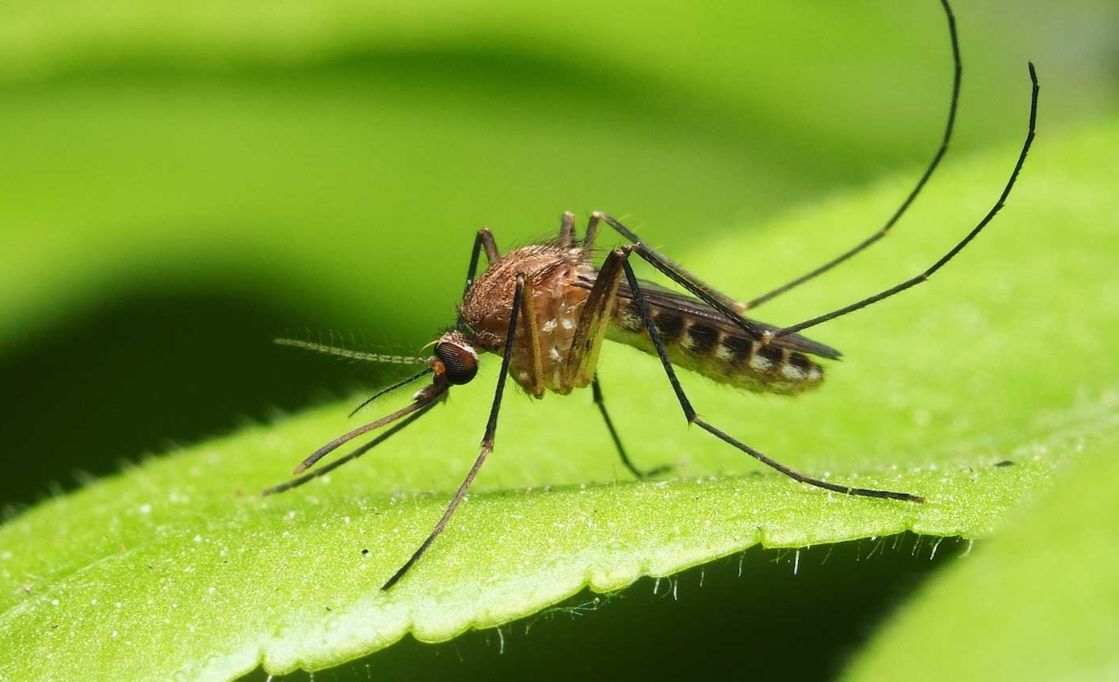
As Nigeria marks World Malaria Day, Kano State continues to battle one of the most common and deadly diseases affecting its population.
Despite ongoing interventions, health experts say malaria remains a major concern, especially among children and pregnant women. Radio Nigeria’s correspondent reports from Kano.
Read also: Over 1,000 Benefit as NMA Holds Medical Outreach in Bunkure
In many communities across Kano State, malaria remains a leading cause of hospital visits, particularly during the rainy season when mosquito breeding increases.
A visit to several hospitals in Kano revealed how patients young and old wait to receive treatment due to the persistent burden of malaria.
The chief medical director who doubles as head of health services Yusuf Maitama Sule Federal University of Education, Kano: Dr Uba Sani explained that malaria cases are still very common in Kano.
He pointed out that most malaria cases are prominent among children under five and pregnant women.
He noted that the government and development partners have contributed their quota through distribution of insecticide-treated nets and free treatment in some centres, which led to the reduction in malaria cases.
Similarly, a Nurse at Bichi Zone, Asabe Umar, stressed that they receive many patients daily with malaria symptoms.
Read also: Rogo, Bebeji to Benefit as Kano Assembly Passes Health College Bills
“Out of the 150 women who visit the facility for antenatal care, about 25% test positive for malaria, while children remain the most vulnerable, accounting for over 80% of malaria cases.”
“Some come late when the condition has worsened. If people sleep under mosquito nets regularly and seek treatment early, it will reduce complications.”
The Kano State Government, in collaboration with development partners, has intensified efforts through seasonal malaria chemoprevention, especially targeting children, as well as community sensitisation programmes.
However, some Kano residents believe that malaria can be eradicated through more efforts.
A resident Ladi Bala called on government to increase the percentage of mosquito nets, as most of the mosquito nets distributed are not enough for every household.
“We hear about mosquito nets, but sometimes they are not enough for every household. Government should increase distribution.”
A trader based in the rural area, Munkaila Isuhu, called on the government to construct more drainage to prevent stagnant water during the rainy season and improve sanitation.
“In our area, stagnant water is everywhere during the rainy season. They should help us with proper drainage and sanitation.”
Read also: Kano Moves to Fill Vacancies with Six Commissioner Nominees
According to a Community leader in Garko Abdulmajid Isah
“People also need more education. Some still don’t take malaria seriously until it becomes severe.”
Health experts emphasise that beyond medical interventions, environmental sanitation and community participation remain key to reducing malaria cases in Kano