


Jamilu Abubakar
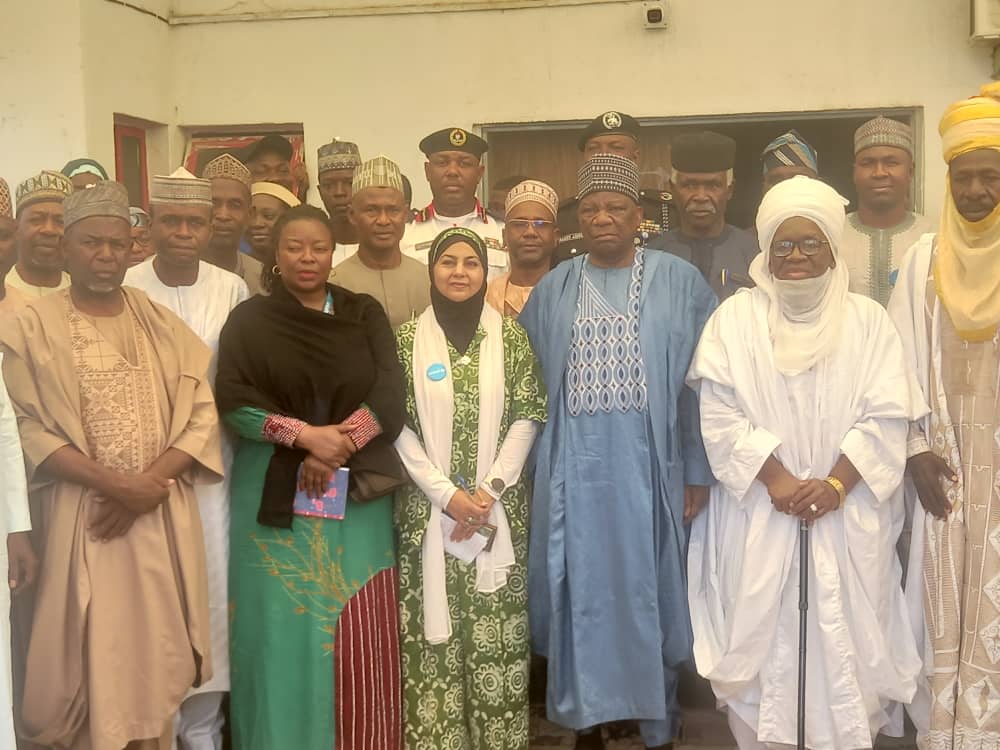
The Gombe State Government, in collaboration with the UNICEF, has officially flagged off the implementation of the Climate Resilient Infrastructure for Basic Services in Health and Education (CRIBS) Project across five local government areas of the state.
Read also: Kano Rallies Partners, Community Leaders for Polio Immunization
The project, which will run until December 2026, is a multi-partner intervention involving UNICEF, the Gombe State Ministry of Health, the State Primary Health Care Development Agency, the Gombe State Universal Basic Education Board (SUBEB), and RUWASSA.
£19m UK-UNICEF CRIBS Initiative Delivers Climate-Resilient Facilities in Kano
It is designed to deliver climate-resilient infrastructure in selected schools and primary healthcare facilities across Billiri, Dukku, Funakaye, Kwami, and Yamaltu-Deba local government areas.

According to officials, the initiative will upgrade infrastructure to withstand climate-related challenges while improving the quality of service delivery in both the education and health sectors.
Speaking during the flag-off ceremony, Deputy Governor Manassah Daniel Jatau commended UNICEF for its continued support to the state, describing the partnership as impactful and timely.
He noted that the CRIBS project comes at a critical period, given the increasing effects of climate change, including flooding, heatwaves, rainstorms and sandstorms affecting communities.
Dr Jatau reaffirmed the state government’s commitment to partnerships that promote sustainable development and improve the welfare of residents.
Read also: BUK Marks Int’l Literacy Day, Inducts Prof. Fatima into Hall of Fame
In her remarks, UNICEF Chief of Field Office, Bauchi, Nuzhat Rafique congratulated Gombe State for being selected as a beneficiary of the project, attributing it to the government’s commitment to improving child health and education.
UNICEF-RRM Targets Critical Water, Nutrition Needs in Borno
She warned that climate change continues to pose serious risks to communities and emphasized UNICEF’s commitment to supporting interventions that enhance the wellbeing of children.
Dr Rafique also commended Governor Muhammadu Inuwa Yahaya and the Deputy Governor for their dedication to child-focused development initiatives in the state.
She disclosed that the CRIBS project will cover 14 health facilities and nine selected schools across the participating local government areas.
UNICEF Education Specialist, Abdulrahman Ado, presented an overview of the project, explaining the selection criteria for beneficiary facilities and outlining the implementation timeline through December 2026.
He emphasized the importance of strict compliance with project specifications to ensure durability and sustainability of the infrastructure.
Read also: 111 CSOs Commend Dangote for Respecting Rule of Law, Urge Due Process in ICPC Investigation
The event also featured the signing and formal handover of implementation documents to contractors.
Dignitaries at the ceremony included permanent secretaries, heads of ministries, departments and agencies, security personnel, traditional rulers, and representatives of civil society organizations.