


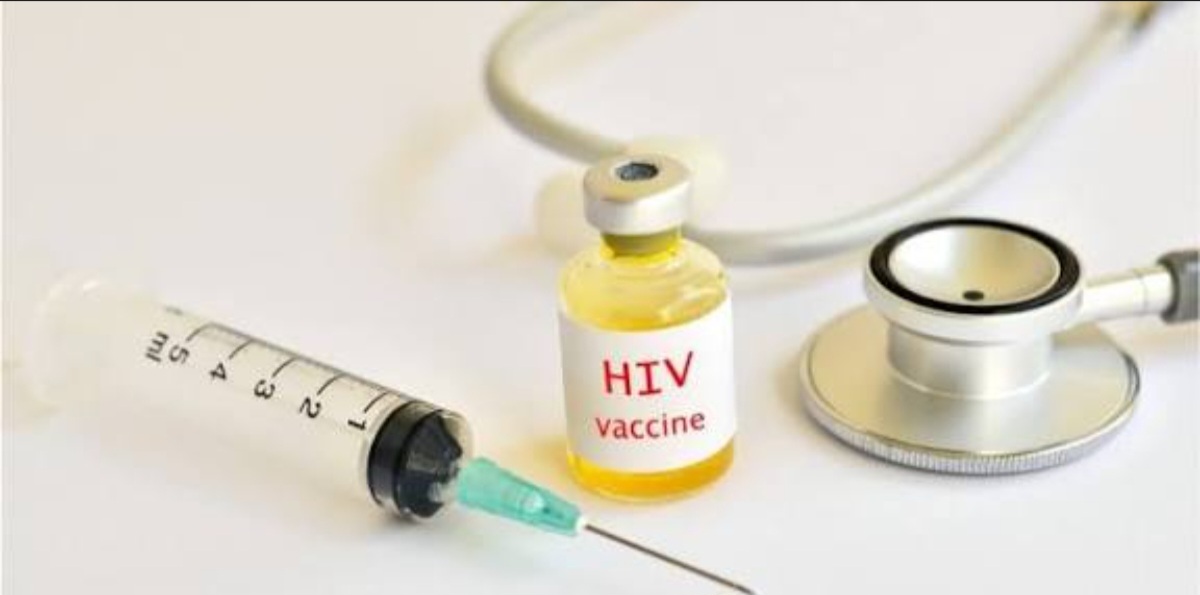
The National Agency for the Control of AIDS (NACA) says Nigeria will soon receive Lenacapavir.
This groundbreaking HIV prevention drug demonstrated 100% effectiveness in preventing HIV infection during clinical trials.
Read also: NMA Urges Young Doctors to Rethink Migration as Brain Drain Persists
In a statement issued by NACA’s Head of Public Relations, Toyin Aderibigbe, the agency confirmed that the drug has secured regulatory approval from the National Agency for Food and Drug Administration and Control (NAFDAC), paving the way for its introduction and nationwide rollout.
Lenacapavir is an injectable pre-exposure prophylaxis (PrEP) treatment administered twice yearly, offering a more convenient alternative to daily oral HIV prevention medication.
According to NACA, the drug will be made available in Nigeria and 119 other low- and middle-income countries at an affordable cost of about $40 per person annually, following voluntary licensing agreements with generic manufacturers.

“The Government of Nigeria is advancing preparations for the introduction and rollout of Lenacapavir as Pre-Exposure Prophylaxis (PrEP). This is part of the government’s commitment to strengthen HIV prevention and accelerate progress toward epidemic control,” the agency said.
Read also: Continuity and Shared Development: My Position on Kano State and Nigeria
As part of preparations, NACA disclosed that readiness and landscape assessments have been completed in ten states, including Akwa Ibom, Anambra, Benue, Cross River, Ebonyi, Federal Capital Territory (FCT), Gombe, Kano, Kwara, and Lagos.
The agency added that the drug shipments are expected to arrive in Nigeria in March 2026.
Nigeria currently has approximately 1.9 million people living with HIV, with a national prevalence rate of 1.3 per cent among adults aged 15 to 49 years.
The country recorded about 74,000 new HIV infections and 51,000 AIDS-related deaths in 2021, highlighting the ongoing public health challenge.
Read also: FG Seeks Practical Training to Unlock Nigeria’s $3.2bn Livestock Market
Data also shows that the South-South region has the highest HIV prevalence at 3.1 per cent while women aged 15 to 49 are more than twice as likely to be living with HIV as men.
Health experts believe the introduction of Lenacapavir could significantly strengthen Nigeria’s HIV prevention efforts and help accelerate progress toward ending the epidemic.