


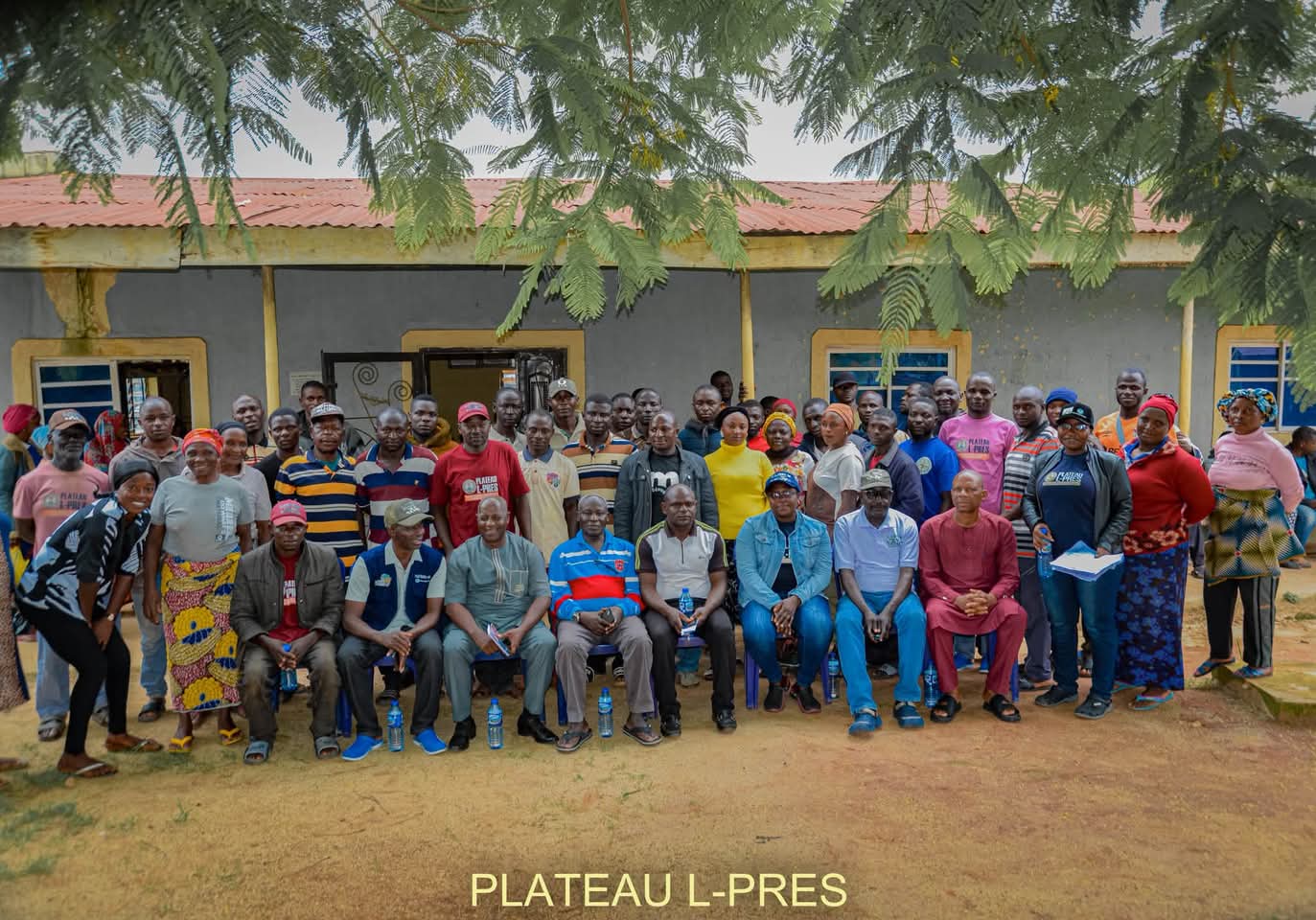
The Plateau State Livestock Productivity and Resilience Support (LPRES) Project in collaboration with Livestock Genetic Africa Limited, has commenced stakeholder sensitisation ahead of the planned statewide Mass Artificial Insemination (AI) Programme aimed at improving livestock productivity.
The initiative is designed to enhance the genetic quality of livestock, increase meat and milk production, and strengthen the livestock value chain through the adoption of modern breeding technologies.
Read also: Kano Correspondents’ Chapel Restores DSTV, Deploys 5G Internet
Kano Assembly Calls for Transfer of L-PRES Project to Ministry of Livestock
The sensitisation brought together livestock farmers, pastoralists, traditional rulers, extension workers and community leaders to educate them on the objectives, benefits and implementation strategy of the programme.
Speaking during the exercise, the representative of the State Project Coordinator, Mr. Emmanuel Naandokol, described the programme as a strategic intervention to improve livestock breeding efficiency, boost productivity and enhance the livelihoods of livestock farmers across Plateau State.
Read also: 120 Dead as Kano Fire Service Responds to 838 Emergencies
He urged stakeholders to actively support and participate in the initiative, stressing that their cooperation is essential for its successful implementation and the long-term transformation of the state’s livestock sector.
The programme featured technical presentations by Professor Peter Rekwot and Mr. Jonathan Jatau, who explained the artificial insemination process, animal selection criteria, farmers’ responsibilities and the expected economic and social benefits of the intervention.
The experts also outlined the implementation strategy for the programme and responded to questions from participants to deepen public understanding and encourage participation.
As part of the awareness campaign, officials of the project and consultants participated in a live television programme on the Plateau Radio Television Corporation (PRTVC), where they further enlightened the public on the objectives, implementation process and benefits of the Mass Artificial Insemination Programme.
Read also: Agritourism: Harnessing Agricultural Tourism for Global Food Sec
Nigeria Mobilises Stakeholders for Continental Livestock Conference
The forthcoming exercise is expected to improve livestock productivity, increase farmers’ incomes and strengthen Plateau State’s livestock value chain through sustainable genetic improvement.