


Khadijah Aliyu-Nigeria
Hundreds of patients at the Raoul Follereau center Pobè Benin Republic, are currently receiving treatment for a range of Neglected Tropical Diseases (NTDs), including leprosy, Buruli ulcer and diabetes-related complications.
Read also: ACF Appoints Three-Member Interim Leadership in Kano
During a visit to the centre on world NTDs day, journalists under the media network for the promotion of health and environment REMSPSEN,toured several units in the center.
At the Hospitalisation Ward A, where screened and confirmed patients are admitted for wound care and treatment.
A nurse on duty explained that patients undergo daily dressing, while those with severe or heavily soiled wounds receive treatment twice daily.

According to the nurse, the ward currently accommodates 37 patients across six rooms.
“Patients with wounds that leak excessively are dressed twice a day to prevent infection and unpleasant odour,” she said.
A walk through the corridor leads to Hospitalisation Ward B, which houses patients who have undergone surgery related to NTDs.
The head nurse of the ward, Marie Reine Armelle who also serves as a psychologist—said patients recovering from Buruli ulcer surgery, diabetes-related complications, amputations and skin transplant procedures receive both medical care and psychological support.
“We do not segregate patients,” she explained. “They stay here for a period determined by how well they respond to treatment.”
Hospitalisation Ward C, according to its officer-in-charge, D. Virgil, caters mainly to patients suffering from leprosy and Buruli ulcer.
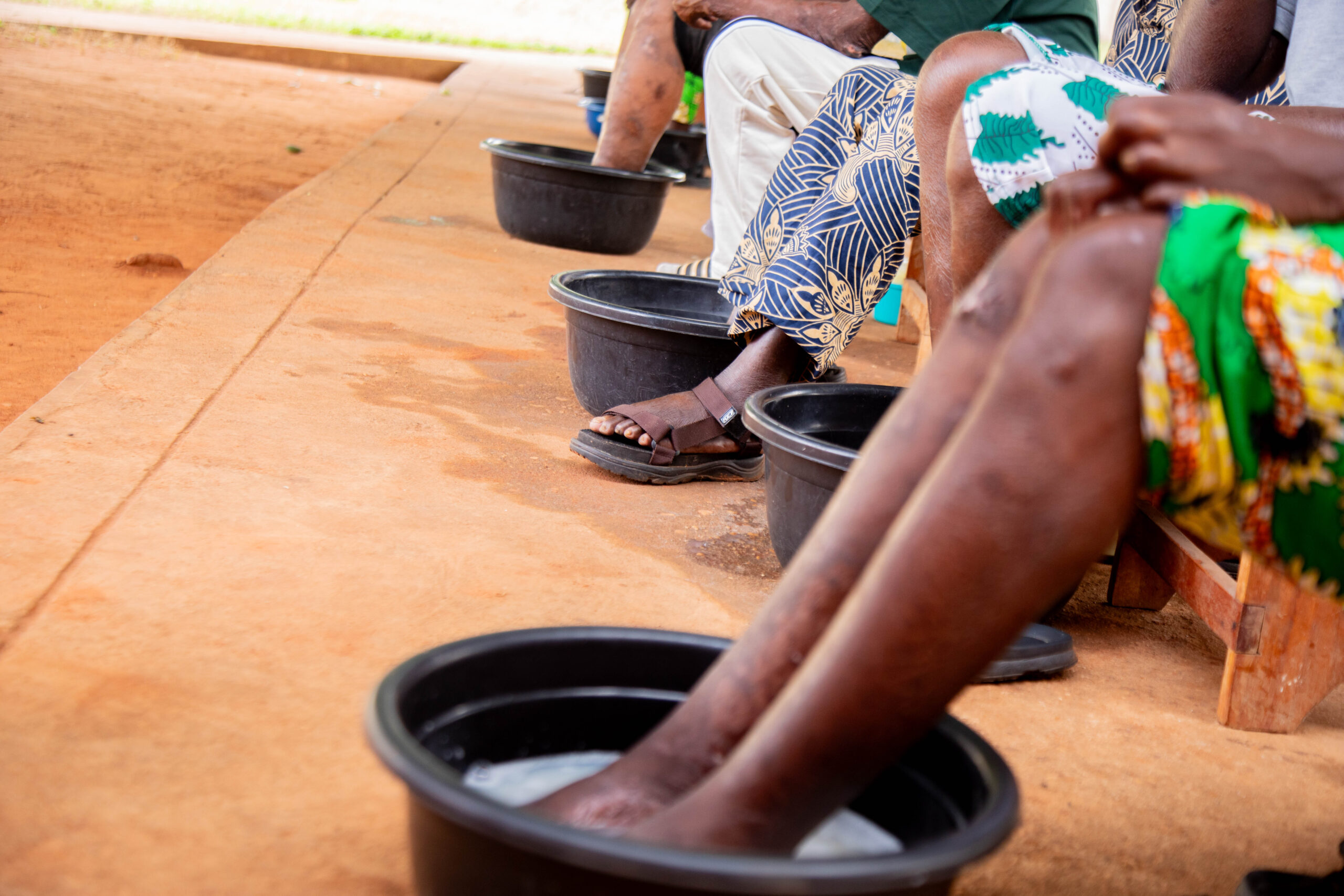
He said patients in the ward receive medical attention alongside guidance on self-care, including regular soaking of affected limbs.
Read also: FG Seeks Practical Training to Unlock Nigeria’s $3.2bn Livestock Market
“Leprosy is one of the most stigmatized diseases,” Virgil noted. “We guide patients on how to care for themselves to ensure speedy recovery, even if it is for just 15 minutes every morning.”
Speaking on the treatment process, the centre’s physician, Dr Citrate Perrion, said patients are first screened at the molecular laboratory before being referred to the diagnostic unit, where the severity of infection is assessed.
“Early detection makes treatment easier,” he said. “Patients with mild cases are allowed to return home and come for follow-up care, while severe cases are admitted for intensive treatment.”
The Professor in charge of surgeries at the centre highlighted the complexity of surgical procedures and skin transplants, noting that transplanting requires time and expertise built over many years of practice.
The Raoul Follereau Foundation’s representative in Benin, Alice Toussaint, said the foundation remains committed to supporting Benin’s fight against NTDs, particularly among vulnerable populations.
“We are proud to support Benin in the fight against Neglected Tropical Diseases,” she said.
Also speaking, the National Programme Coordinator for NTDs and Leprosy, Dr Delphin Degla, said leprosy and Buruli ulcer remain among the most dangerous NTDs in the country.
He noted that progress is being made through sustained efforts at treatment, rehabilitation and reintegration of persons affected by NTD-related disabilities.
In his presentation, the Director of the Raoul Follereau Centre, Oswald Attolou, attributed the prevalence of NTDs largely to environmental and sanitation challenges.
Read also: NMA Urges Young Doctors to Rethink Migration as Brain Drain Persists
He said the centre works closely with relevant stakeholders, including school teachers, to enhance early detection through community sensitisation.
Attolou revealed that the centre recorded a significant number of leprosy cases in 2025 following extensive screening exercises across communities.