


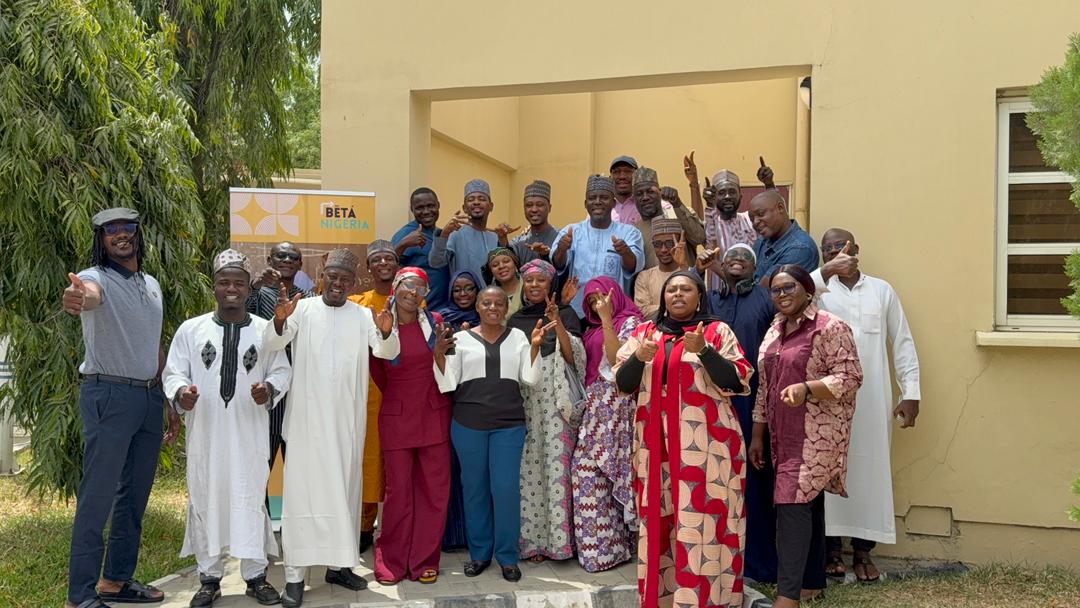
In a bid to strengthen evidence-based advocacy and improve learning outcomes in Nigeria, the BETA Nigeria campaign, under the Partnership for Learning for All in Nigeria (PLANE)FCDO program, has organised a capacity-building workshop for journalists, social media influencers, and civil society organisations.
The workshop, titled “Classroom Takeover: Turning Visibility into Learning Outcomes in Kaduna, Kano, and Jigawa,” is aimed at equipping participants with practical tools to document and spotlight challenges affecting the education sector.
Read also: Governor Nasir Pays Tribute to Two Distinguished Elder Statesmen
Speaking during the opening session, the lead facilitator, Mr. Odeh Friday, emphasised the critical role of the media and digital storytellers in amplifying education issues and influencing policy responses.
He urged participants to adhere to ethical standards when reporting on children and vulnerable groups, stressing the principles of “do no harm, dignity first, long-term visibility, and accuracy.”
“The logic should be driven by evidence, visibility, pressure, and response, especially for the responsible representation of girls and vulnerable children,” he said.
Read also: Tinubu Inaugurates 30 CNG Buses with 3,000 Passenger Capacity
Also speaking, Ramatu Ada Ochekliye noted that the workshop is designed to help participants identify and document gaps in school enrolment and learning conditions through structured classroom and community observations.
According to her, other key objectives include producing and publishing evidence-based content that meets minimum quality and ethical standards under the “Classroom Takeover” initiative.
“We also aim to translate insights into clear calls to action and implement a coordinated Classroom Takeover with School-Based Management Committees (SBMCs) and state advocacy forums,” she added.
Read also: President Tinubu Embarks on Diplomatic Visit to Saint Lucia, Brazil
Sessions at the workshop highlighted alarming trends across Kaduna, Kano, and Jigawa states, including the rising number of out-of-school children, persistent teacher shortages, and gaps in foundational literacy and numeracy.
Representatives from K-SAFE, KADBEAM, KADLGAM, and JEAF also shared insights on the current situation in their respective states, as well as ongoing efforts by accountability platforms to address the out-of-school children crisis.