


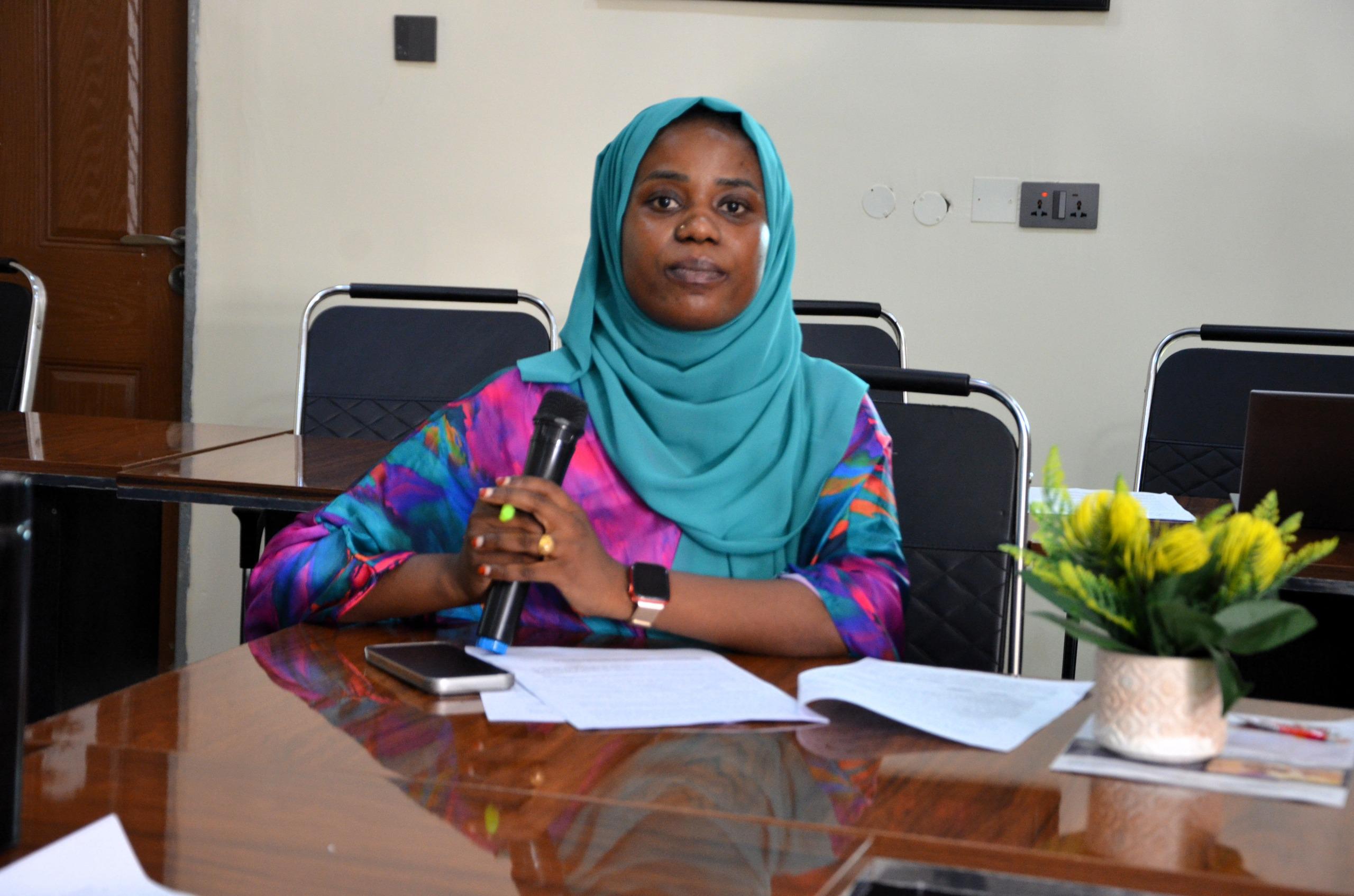
Health policy advocates have called for stronger and more consistent financing for maternal, newborn and child health (MNCH) as well as family planning services in Nigeria, following deliberations at the 2026 media briefing of the Health Sector Reform Coalition (HSRC) held in Abuja.
The briefing, supported by the Africa Health Budget Network (AHBN), brought together health experts, civil society organisations and policy advocates to review the proposed 2026 federal health budget and assess the implementation performance of the 2025 health budget.
Read also: Kano Moves to Improve Tracking of Maternal, Newborn Deaths
Participants at the meeting expressed concern over the persistent gap between budgetary allocations and the actual release of funds for health programmes.
2025 MNCHW: Kano Distributes 6,000 Delivery Packs, 500 C/S Kits
According to the advocates, delays in releasing approved funds continue to undermine the effectiveness of interventions aimed at improving maternal and child health outcomes across the country.

They stressed that while budgetary allocations signal government commitment to the health sector, the impact of such commitments largely depends on the timely and full release of approved resources.
Stakeholders therefore urged the Federal Government to strengthen its commitment to MNCH by prioritizing and ring-fencing funding for key programmes, including immunisation and primary health care services.
Read also: Speaker Commissions Soba Projects to Boost Education, Healthcare
The participants noted that primary health care facilities remain the backbone of MNCH service delivery in Nigeria.
However, they argued that the ₦64 billion allocation to the National Primary Health Care Development Agency is insufficient considering the country’s high maternal and child mortality rates.
Family planning financing also emerged as a major concern during the discussions.
Advocates revealed that Nigeria is currently facing a minimum funding gap of over ₦21.4 billion for family planning commodities, a challenge that has become more critical as donor support continues to decline.
REMAPSEN, UNFPA Partner to Improve Family Planning in Africa
To address the situation, the coalition called on the Federal Government to increase domestic funding for family planning commodities and ensure that allocated funds are released promptly.
Read also: ABU SPESSE-CE Graduates 420 in Sustainability Training
They further emphasized that sustained investment in family planning services will help reduce unintended pregnancies, improve maternal health outcomes, and support Nigeria’s progress toward achieving its national and global health commitments.
Participants agreed that while the health budget reflects government intent, the effectiveness of these commitments will ultimately depend on the prompt and full release of funds needed to sustain MNCH programmes and expand access to reproductive health services nationwide.